

Why Do People Wear Birthstones?
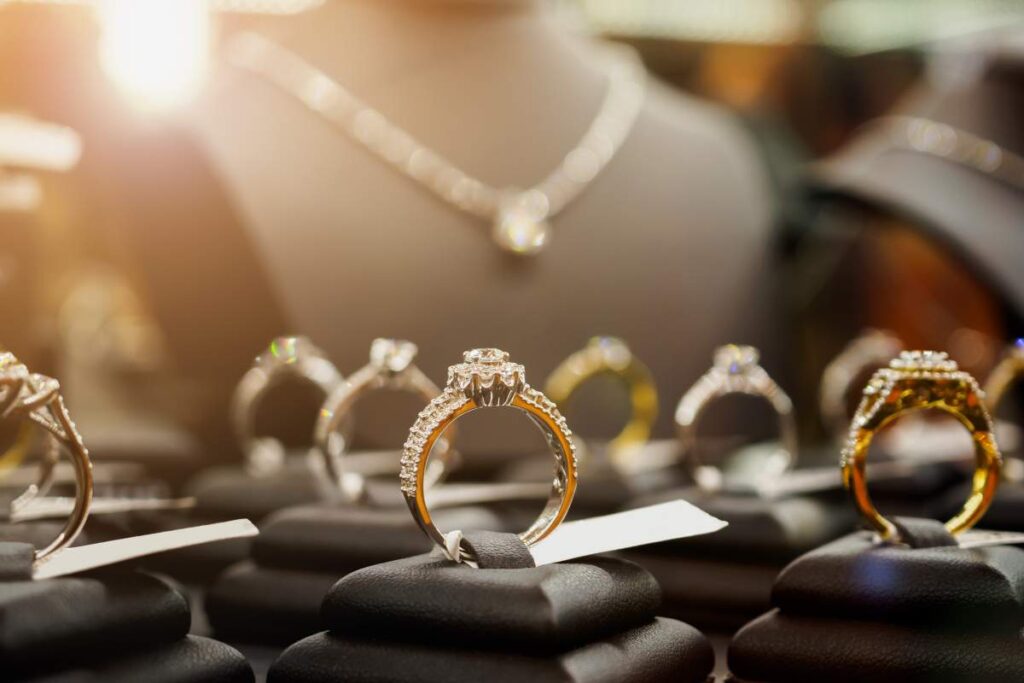
Many people choose to wear a stone associated with their birth month for reasons ranging from tradition to personal connection. Birthstones are believed to bring luck, provide protection, or symbolize an aspect of a person’s identity. Over time, wearing these gemstones has become a meaningful custom in many cultures around the world.
How Did Birthstones Become Associated With Each Month?
The link between specific gems and months dates back thousands of years. The earliest origin stories trace to ancient civilizations, including Biblical times. The most widely cited reference comes from the Breastplate of Aaron described in the Book of Exodus, which was adorned with twelve stones, each believed to represent the tribes of Israel. As centuries passed, people began connecting these stones with astrological signs, and eventually with the twelve months on the calendar.
In more recent history, the idea of birthstones as we now know them was formalized. In 1912, the American National Retail Jewelers Association established a standardized list, which still forms the basis for the stones most often recognized by jewelers and residents today.
What Does Each Birthstone Mean?
Each stone carries its own history and lore. Below is an overview of the meaning typically attached to each gem:
- January (Garnet): Protection and constancy in friendship
- February (Amethyst): Sobriety, peace, and inner strength
- March (Aquamarine): Calm, health, and clarity
- April (Diamond): Strength, courage, and love
- May (Emerald): Renewal, growth, and wisdom
- June (Pearl or Alexandrite): Purity, balance, and luck
- July (Ruby): Vitality, passion, and protection
- August (Peridot): Good fortune, harmony, and strength
- September (Sapphire): Loyalty, wisdom, and nobility
- October (Opal or Tourmaline): Creativity and hope
- November (Topaz or Citrine): Warmth, success, and generosity
- December (Turquoise, Zircon, or Tanzanite): Friendship, protection, and new beginnings
While modern designations vary slightly worldwide, the above stones are most commonly referenced in North American jewelry culture.
Are Certain Birthstones More Popular in Vero Beach?
Local preferences are shaped by climate, lifestyle, and the jewelry’s ability to withstand humid, subtropical conditions. Stones like aquamarine (March), topaz (November), and diamond (April) are especially favored for their durability and everyday wear suitability. Pearls, the traditional June birthstone, are also common regionally due to the coastal influence, but require more careful handling and routine cleaning to maintain their luster in the area's salty air.
Jewelry trends in Vero Beach also reflect flexible interpretations, with some residents choosing alternative stones for aesthetic reasons or personal beliefs instead of strict adherence to tradition.
How Do Birthstones Differ From Astrological or Zodiac Stones?
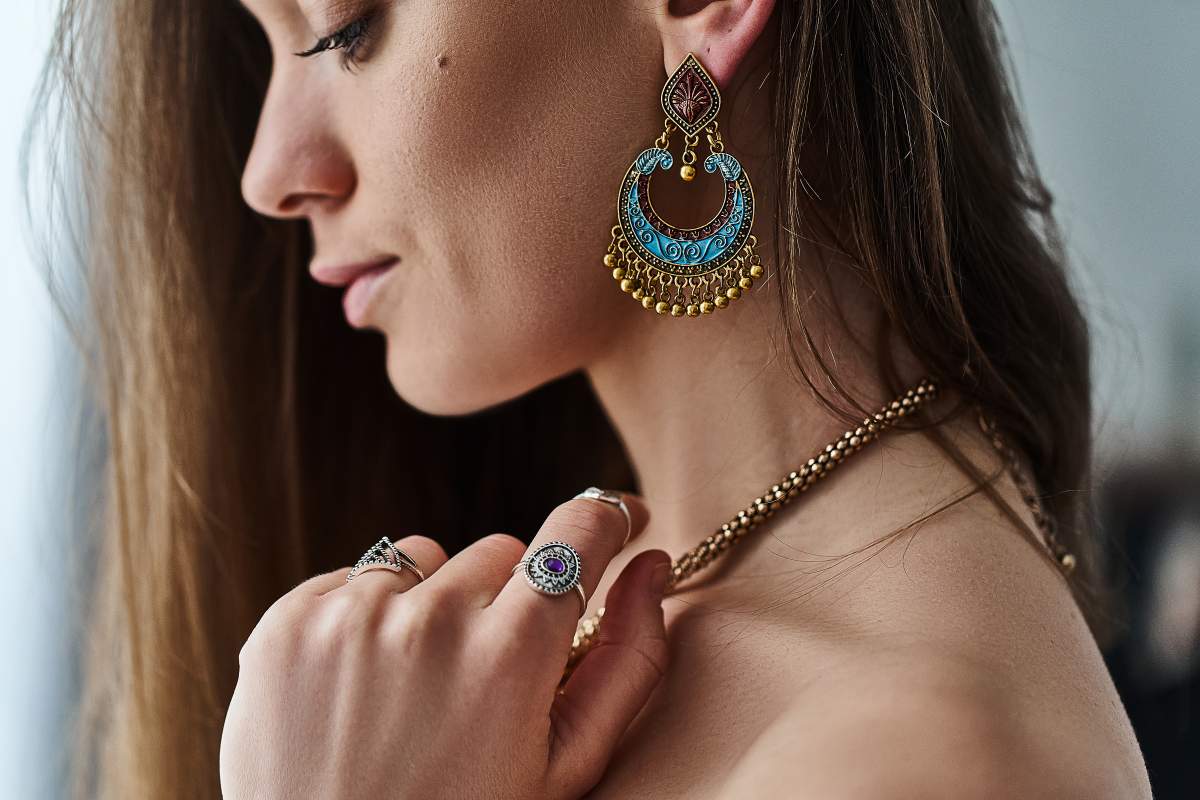
Though birthstones and zodiac stones are sometimes mentioned together, they are based on different systems. Zodiac stones correspond to astrological sun signs, which often do not align exactly with calendar months. Birthstones, by contrast, follow the standard twelve-month calendar. For example:
- A person born in late March may identify as an Aries (zodiac) but wear aquamarine (March birthstone), even though diamonds are often linked to Aries.
- Some area residents blend the two traditions, choosing whichever stone speaks most to their sense of identity or family customs.
What Traditions Surround Birthstone Jewelry?
Gifting a piece of jewelry with the recipient's birthstone is a longstanding tradition for birthdays, anniversaries, graduations, and milestones. Many local families pass down heirloom pieces, while others design contemporary jewelry set with birthstones to mark significant life events.
Some traditions suggest wearing your own birthstone brings luck or protection, while others believe gifting a birthstone spreads blessings to the person receiving it. For multi-generational households in Vero Beach, jewelry combining family birthstones is a popular way to symbolize unity and celebrate lineage.
Can I Choose a Stone Outside My Birth Month?
There are no strict rules about only wearing your assigned stone. Personal taste, healing beliefs, and even color matching with skin tone or wardrobe play a part in local choices. In Vero Beach and beyond, it’s increasingly common for individuals to select alternative or secondary birthstones, or even mix stones for custom designs honoring blended families.
When choosing stones, considering environmental factors such as humidity and exposure to saltwater can help preserve the gemstone’s beauty for years to come.
Common Myths and Misconceptions
Some believe that wearing a stone not connected to their birth month brings bad luck. There is no historic basis for this concern; the original traditions were much more fluid and adaptive. The value and meaning of each stone is rooted in personal or family significance rather than superstition or rigid conformity.
In the end, birthstone jewelry serves as a deeply personal symbol, whether reflecting ancient meaning, family histories, or the vibrant spirit of the local community.