

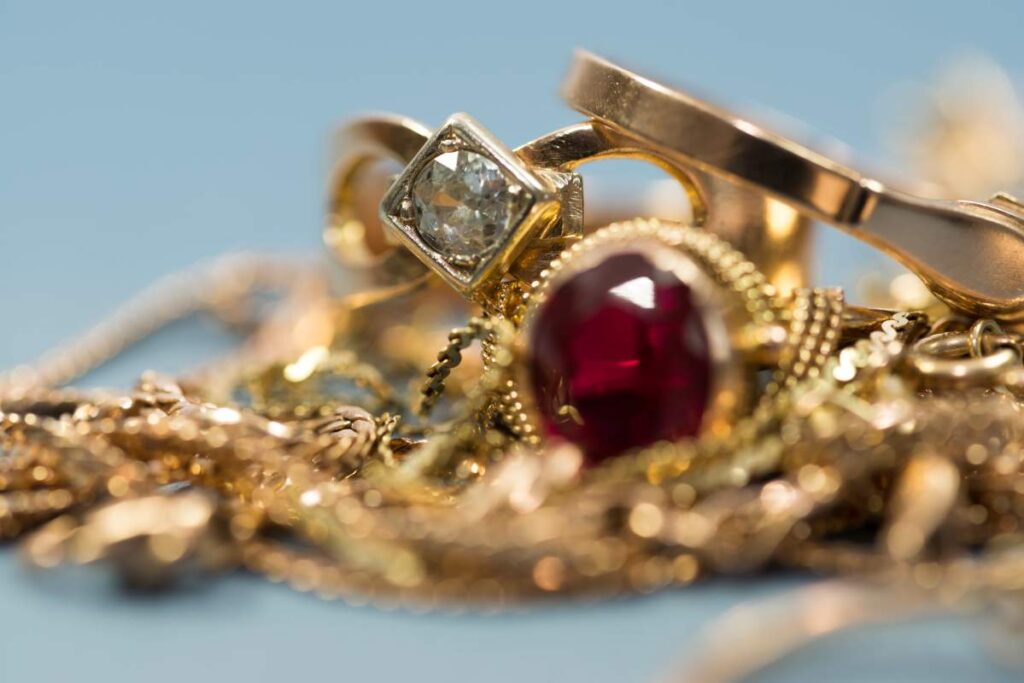
Why Proper Jewelry Storage Matters in Vero Beach, FL
Fine jewelry is cherished for its beauty, monetary value, and sentimental significance. However, the humid climate common in Vero Beach, FL and many area households’ open layouts can present unique challenges when storing precious items. Jewelry pieces are especially vulnerable to moisture, tarnish, heat, and occasional loss during hurricane season preparations or extended travel. By making informed decisions about where and how to keep these pieces, local residents can help preserve their jewelry for both everyday enjoyment and future generations.
How Does Humidity in Vero Beach Affect Jewelry?
Yes, Vero Beach’s high humidity can accelerate tarnish and contribute to corrosion for certain metals and gemstones.
- Silver tarnishes fastest in humid conditions; even gold can dull.
- Opals and pearls may crack, discolor, or lose their luster if exposed to fluctuations in moisture.
- Humidity can also cause clasps to weaken over time.
Storing jewelry in a climate-controlled area of the home, away from bathrooms and kitchens, can help. For especially sensitive items, consider silica gel packets or anti-tarnish papers inside your storage containers to absorb excess moisture.
What’s the Safest Way to Store Jewelry at Home?
The best approach is to keep jewelry in a secure location, protected from physical damage and theft, while minimizing environmental exposure.
Practical steps:
- Use a dedicated jewelry box with separate compartments lined with soft fabric to prevent scratching.
- For high-value or heirloom pieces, consider a safe that is both fire-resistant and discreetly placed.
- Avoid storing jewelry in plain sight or highly trafficked areas of the home.
Closets in low-humidity, climate-controlled rooms are usually safer than windowsills or bathroom vanities, which are more exposed to temperature and moisture fluctuations.
How Should You Store Different Types of Jewelry?
Different materials require slightly different care; a single storage method rarely fits all pieces.
- Gold: Store gold separately, as it is soft and can scratch easily. Use individual pouches or soft cloth bags within your jewelry box.
- Silver: Place in anti-tarnish pouches or wrap in anti-tarnish paper; avoid open air.
- Pearls and Opals: These organic gems need air circulation and should not be stored in airtight containers. Keep away from direct sunlight and heat.
- Gemstone Jewelry: Use padded compartments to avoid chips and abrasion. Remember, some stones (like emeralds) are softer and may need extra care.
When packing away for extended periods—such as during hurricane evacuations or seasonal travel—double-check that individual pieces cannot tangle or rub against each other.
Are Safety Deposit Boxes Necessary for Fine Jewelry?
Safety deposit boxes provide maximal protection against theft and disaster but may not be practical for jewelry worn regularly.
- For items seldom worn or of the highest value, area households sometimes use bank vaults.
- For pieces in regular rotation, a hidden, well-secured home safe can balance accessibility with protection.
Remember that some insurance policies require off-site storage for certain valuables, so review any guidelines attached to your homeowner’s policy.
How Can You Minimize the Risk of Loss During Storm Preparation or Travel?
Fine jewelry can become misplaced during hurried storm preparations, travel, or evacuation events that sometimes impact the city.
- Choose a designated, consistent place—preferably a secure safe or clearly marked container—for last-minute jewelry storage before a potential evacuation.
- Avoid packing jewelry with toiletries, as spillage and moisture can damage settings.
- For travel, use travel-specific organizers with soft linings; keep jewelry separated and double-check fastenings.
It’s a good practice to make a written or photographed inventory for insurance and recovery purposes, especially during periods of increased weather risk in the region.
What Are Common Mistakes Locals Make When Storing Jewelry?
Some storage habits, although convenient, can damage fine jewelry or increase the risk of loss.
- Placing jewelry trays on bedroom dressers, which exposes them to direct sunlight and quick access for children or guests.
- Hanging necklaces from hooks in a bathroom, where steam encourages tarnish and weakens chains.
- Keeping pieces in their original gift boxes, which often lack proper padding and protection from environmental changes.
Checking on stored jewelry periodically helps catch problems early—look for signs of tarnish, loose stones, or fraying strings that need attention.
Is Insurance Documentation Needed for Home Storage?
Keeping a current record of your fine jewelry’s value and condition is critical, regardless of where it’s stored.
- Photograph all jewelry pieces and note serial numbers or distinguishing marks.
- Store this information digitally and in print, separate from the jewelry itself.
If you decide to arrange coverage, these records will speed up claims and support proper valuation.
How Can Jewelry Remain Accessible but Still Protected for Everyday Use?
Many residents wish to keep everyday favorites handy while ensuring they’re not left out in the open.
- Use a small, separate compartment within your main jewelry box or a travel pouch stored in a discreet drawer.
- At night, a soft catch-all dish in a locked bedroom drawer can keep items organized and out of sight, while avoiding the bathroom or kitchen.
Balance between convenience and security depends on personal routine and household members—consider what feels most natural but adjust if security or environmental risks become evident.