


How Do You Quickly Check If Jewelry Might Be Gold or Silver?
A quick first check involves looking for marks or stamps on your piece—this is the method most people in Vero Beach, FL use first, whether sorting family heirlooms or inherited finds. Stamps often provide an initial clue about the metal’s composition.
Look for:
- For gold: Stamps like “10K,” “14K,” “18K,” or sometimes “585,” “750,” etc.
- For silver: Marks such as “925,” “Sterling,” or “Ster.”
Use a magnifying glass under bright light, as engravings can be tiny. Remember, some authentic vintage or custom pieces might lack clear markings, but a clear, sharp mark is a good first indicator of authenticity.
Are Simple At-Home Tests Reliable for Determining Metal Authenticity?
Several household tests can offer clues but cannot guarantee a definitive answer. These are widely used by local residents before considering anything more involved.
Common at-home tests include:
- The Magnet Test: Real gold and most silver aren’t magnetic. If a strong magnet attracts your piece, it may not be genuine.
- The Tarnish Test for Silver: Silver can darken or tarnish in Vero Beach’s humid climate, especially if left exposed. Rubbing a soft white cloth on the piece may produce a black mark if it’s true silver.
- The Float Test: Genuine precious metals are dense. For small items, gently drop into a glass of water—real gold and silver should sink quickly while many fakes may float.
None of these at-home tests can replace a formal assay but can help rule out obvious imitations. Be cautious: some jewelry is plated and will pass simple tests only on the surface.
What Are Common Misconceptions About Jewelry Fakes?
A common misconception is that every real piece is always stamped or that weight alone is a perfect indicator. In areas like Vero Beach where coastal air accelerates tarnish, some believe all darkened items must be silver—yet many non-silver metals tarnish, too.
Misconceptions include:
- Plated items can look and feel genuine, even fooling simple tests.
- Not every unstamped gold or silver piece is fake—older and custom-made jewelry sometimes lacks marks.
- Iridescence or strange colors after cleaning are often signs of plating, not solid gold or silver.
These issues mean that careful examination is better than relying on appearance, and history or provenance sometimes plays a role.
What Environmental Factors Affect Jewelry Testing Locally?
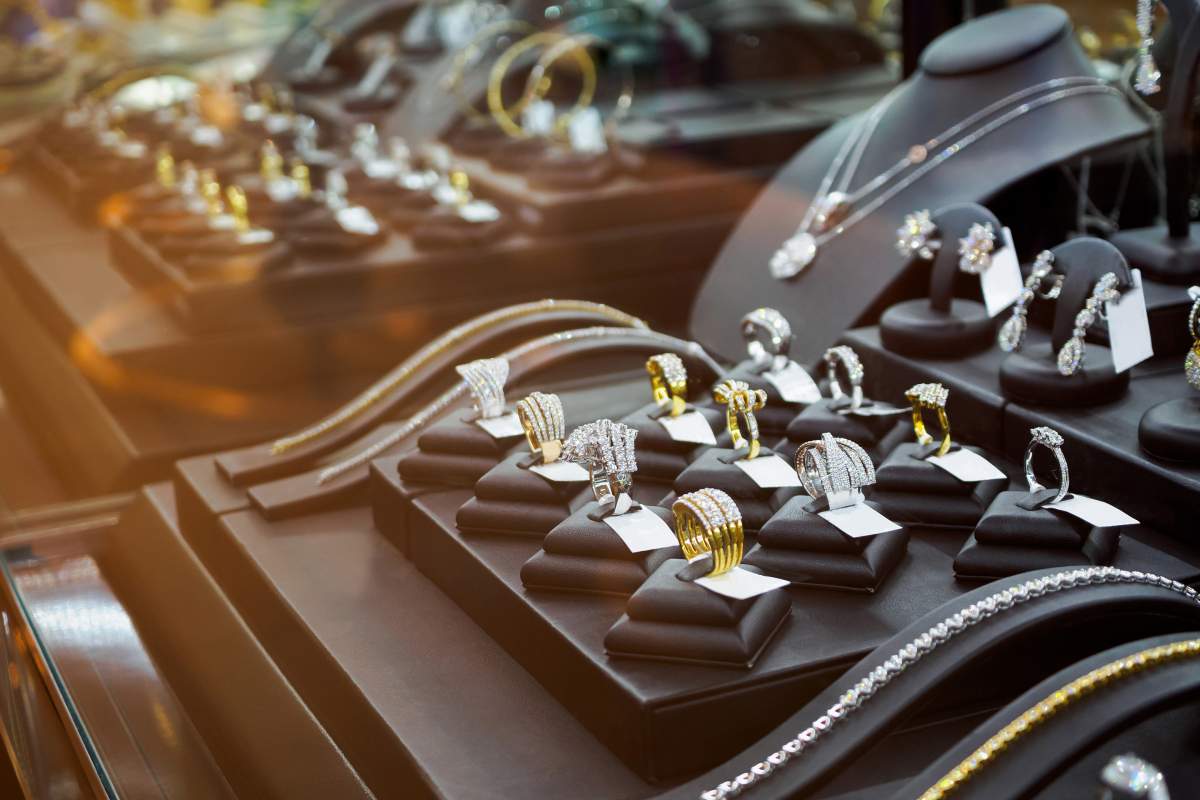
In coastal communities such as Vero Beach, salt air and humidity can speed up tarnishing, especially with stored or rarely worn items. Well-sealed display cases and climate control matter for keeping gold and silver bright.
You may notice:
- Even authentic sterling can develop black or greenish marks with high humidity—this is normal and doesn’t imply a fake.
- Items plated with thin silver or gold can tarnish more quickly and unevenly as the base metal is exposed.
- Residents storing jewelry in bathrooms or in close proximity to moisture may see more rapid discoloration, confusing the issue further.
What Professional Methods Exist for Testing Gold and Silver?
More advanced methods exist to confirm precious metal content safely and accurately. These methods are used when household checks are inconclusive or for higher-value items.
Techniques include:
- Acid Testing: Different acid solutions react specifically with gold or silver. A small scratch is made on a discreet area and a drop of acid is applied—the reaction (or lack of it) indicates metal content. This method should only be used with extreme care since it can damage the surface if performed incorrectly.
- Electronic Testing: Devices are available to measure the metal’s electrical properties, offering a non-destructive test. These can provide quick answers for common alloys.
- X-Ray Fluorescence (XRF): This non-invasive process is highly reliable, often used for very valuable or historical pieces. It analyzes the metal content without causing visible damage.
These tests are primarily needed for disputed cases, valuable watches, older inherited items, or when documentation has been lost. Occasionally, testing may be required for official documentation, insurance, or legal heirs during estate transfers.
How Do Lifestyle and Habits in Vero Beach Affect Jewelry Care and Testing?
Locals enjoy an active, outdoor lifestyle—a factor that sometimes influences how jewelry looks and weathers. Regular contact with pool water, sunscreen, and salt air can accelerate both tarnishing and wear, making authenticity harder to judge by appearance alone.
- Frequent swimmers and boaters sometimes mistake tarnished or worn items for non-authentic pieces.
- People who store jewelry in high humidity may notice more discoloration, leading to unnecessary concern about fake metals.
- The habit of passing down jewelry within families in the area means some older items may lack modern identifying marks.
Being aware of these local lifestyle habits helps area residents properly interpret signs of authenticity and better assess items inherited or picked up from estate sales.
What Should You Do if You’re Unsure About Jewelry’s Authenticity?
If quick checks don’t clearly confirm what you have, it’s safe to keep the piece separated from costume or fashion jewelry so it isn’t accidentally damaged. Commercially available testing kits exist, but many non-specialists find them tricky due to the risk of scratching or misinterpretation. For sentimental or higher-value items, professional authentication using non-destructive methods is often preferred for certainty, especially before gifting, insuring, or selling.